Features and challenges of ERP Implementation for Retail and Manufacturing Businesses
Enterprise Resource Planning (ERP) systems are essential tools for managing business operations, streamlining processes, and increasing productivity. However, the process of implementing ERP may vary depending on the industry.
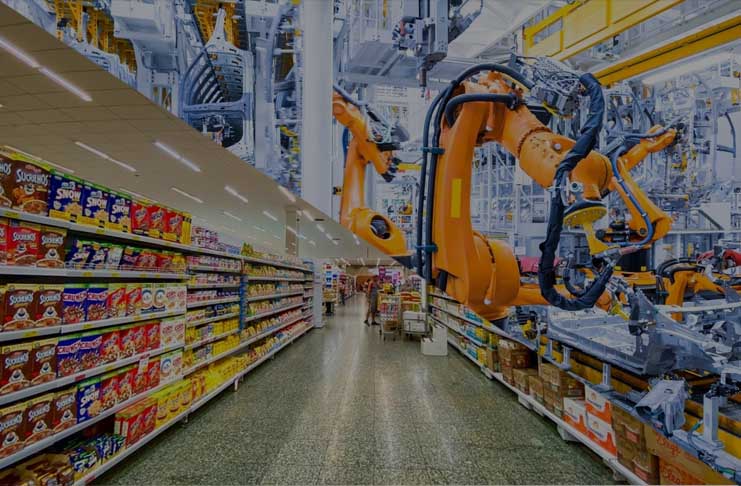
Enterprise Resource Planning
(ERP) systems are essential tools for managing business operations,
streamlining processes, and increasing productivity. As an introduction to ERP
Software, read the article "Getting to know ERP systems and their
functions".
However, the process of ERP deployment can vary depending on the industry. In this blog post, we compare the features, opportunities, and challenges of ERP deployment for retail and manufacturing businesses.
Features of ERP Deployment for Retail and Manufacturing Businesses
The features of ERP deployment for retail and manufacturing companies are quite different due to the nature of their business operations. Here are some key features of ERP implemation for companies in the retail and manufacturing industries:
|
Feature |
Retail Companies |
Manufacturing Companies |
|
Sales and Inventory Management |
Crucial for managing stock levels, pricing, promotions, and point of sale (POS) systems. |
Important for managing materials, production processes, and finished goods inventory. |
|
Supply Chain Management |
Important for managing the flow of goods from suppliers to customers, including procurement, logistics, and distribution. |
Essential for managing the flow of raw materials, components, and finished goods throughout the production process. |
|
Customer Relationship Management |
Crucial for managing customer interactions, tracking customer data, and providing personalized service. |
Less important, but still relevant for managing relationships with suppliers, distributors, and customers. |
|
Manufacturing Process Control |
Not applicable, as retail companies do not manufacture products. |
Essential for managing production processes, quality control, and adherence to regulations. |
|
Financial Management |
Crucial for managing transactions, accounting, and financial reporting. |
Important for managing financial processes, such as accounts payable and accounts receivable, cost accounting, and budgeting. |
Opportunities of ERP Deployment for Retail and Manufacturing Companies
ERP deployment provides various opportunities for both retail and manufacturing companies. Here are some key opportunities to consider:
Retail Companies:
· Improved inventory management for better product availability and increased sales
· Better insight into customer data to improve marketing and sales efforts
· Increased efficiency and productivity, reducing costs and improving profitability'
Manufacturing Companies:
· Improved production processes, which leads to increased efficiency, better quality control, and reduced waste
· Better supply chain management and reduced lead times for better collaboration with suppliers and distributors
· Improved financial management to help reduce costs and improve profitability
Challenges of ERP Deployment for Retail and Manufacturing Companies
ERP deployment can also present some challenges for both retail and manufacturing companies. Here are some key challenges to consider:
Retail Companies:
· Integration with existing POS systems can be difficult and time-consuming – SAP Customer Checkout is an SAP-authored POS Software which integrates seamlessly with ERP – solving this issue.
· Implementing the system across multiple locations can be challenging
· Ensuring data accuracy can be a challenge due to the large volume of transactions
Manufacturing Companies:
· Ensuring data accuracy can be challenging due to the complex nature of the manufacturing production processes
· Integration with existing systems can be difficult, particularly if the company has legacy systems
· Employee training can be time-consuming and expensive
Conclusion
No two ERP implementations are the same: even when businesses from the same industry, of similar sizes and with comparable budgets deploy. A reputable ERP Partner will take the time to listen to your requirements, select the correct ERP, train your Team and ensure the Project is delivered on time and within budget – this is why there is no one-size-fits-all approach to ERP Implementation.
You should carefully consider your unique needs and challenges before implementing an ERP system to ensure the best possible outcome and maximise profitability. SAP Bandung has a stellar record of delivering excellence to our clients and ensuring they are satisfied and confident throughout the entire process. Consult your business problems with us, FREE! "CLICK HERE"